
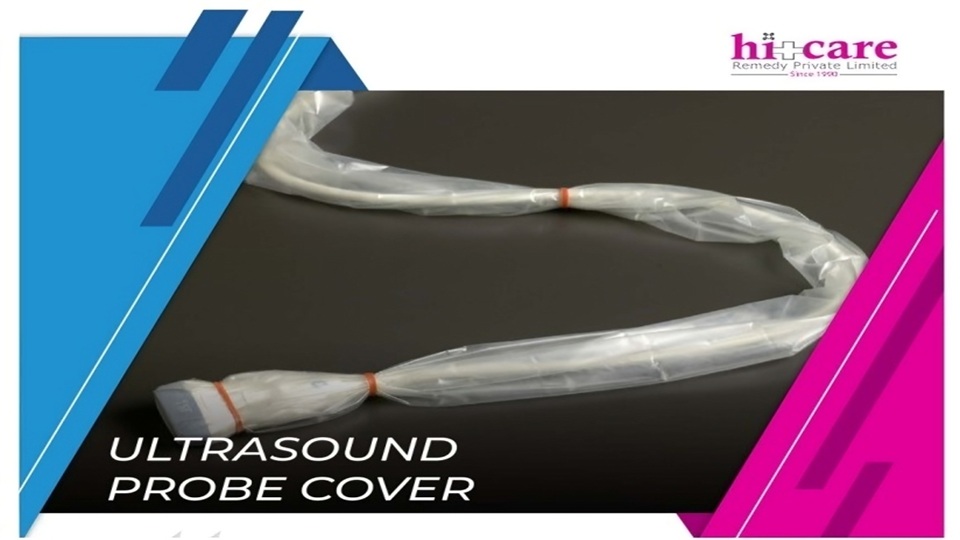
Patient safety extends beyond accurate diagnosis, proper treatment and hygienic solutions. The modern healthcare system is highly concerned about protecting patients against communicable diseases and allergies that might occur during treatment in a healthcare setting. Exposure to latex can pose such a risk. It can cause allergic reactions in the patient’s body.
With growing awareness of latex allergies, healthcare professionals are shifting towards a safer alternative. Non-latex ultrasound probe covers have thus become incredibly popular, helping professionals survive allergy-sensitive environments.
What is latex sensitivity, and why is it an important matter of consideration in healthcare?
Latex allergies are frequent and commonly occur among patients and healthcare professionals. Direct exposure to latex causes reactions like mild skin irritation to severe anaphylaxis. Patients may not initially become aware of their sensitivity. However, through allergic screenings, the problems can be identified. Thus, the healthcare professionals have been refraining from using latex-based materials for diagnosis and treatment.
Even healthcare professionals are at risk, especially if they are required to use latex-based products daily. Continuous occupational exposure can lead to allergies and long-term sickness among healthcare professionals.
Why are non-latex probe covers a safer alternative?
Non-latex ultrasound probe covers are designed to eliminate the risks of allergic reactions in patients and healthcare professionals. These probe covers are made of EVA (Ethylene Vinyl Acetate) which is a synthetic polymer and is especially used for patients who suffers from latex allergies. Some of the essential functions of a latex probe cover are as follows:
- They act as a protective barrier against cross-contamination
- They help in maintaining probe sterility during invasive and non-invasive procedures
- They help in infection control standards
- They prevent occurrences of allergic reactions on the skin
Thus, non-latex probe covers are important in every healthcare setting. They are thus the most ideal options for clinics and healthcare facilities in terms of safety.
Why are non-latex probe covers in demand in allergy-sensitive environments?
Rising awareness of latex allergies
Both healthcare professionals and patients have become increasingly aware of the risks associated with latex allergies. Since they are aware of the risks and hence they are adopting non-latex alternatives as a standard practice.
Infection control protocol
Most healthcare clinics are now subject to legal and safety regulations that require them to adhere to strict infection control protocols. The importance of sterility and safety in hospitals and healthcare settings has been increasing. Along with using safe equipment and high-standard consumables, healthcare professionals are also using non-latex probe covers, which help control infection and the spread of allergies.
Legal and ethical responsibility
In the healthcare sector, legal and ethical responsibility is a priority. Hence, avoid using products that can cause allergic reactions. It is a medical priority to ensure safety of all the patients with use of ethical products. Among them non-latex covers tops the list. These covers are commonly used in obstetrics, gynaecology, and urology departments.
Benefits beyond allergy prevention
Switching to non-latex probe covers provides benefits beyond the prevention of allergic reactions. These covers have high elasticity and are durable, thereby reducing the risk of tearing, especially during surgical processes. Moreover these covers are made with tin materials which enhnces the image clarity and helps in accuracy diagnosis.
For high-quality, non-latex ultrasound probe covers, contact Hi Care Remedy. Founded in 1990, Hi Care Remedy has been focussed on providing the highest standard of Medical Consumables and Personal Protective Equipment (PPE). Our goal has always been to develop sustainable products that enhance healthcare outcomes for patients and healthcare professionals.